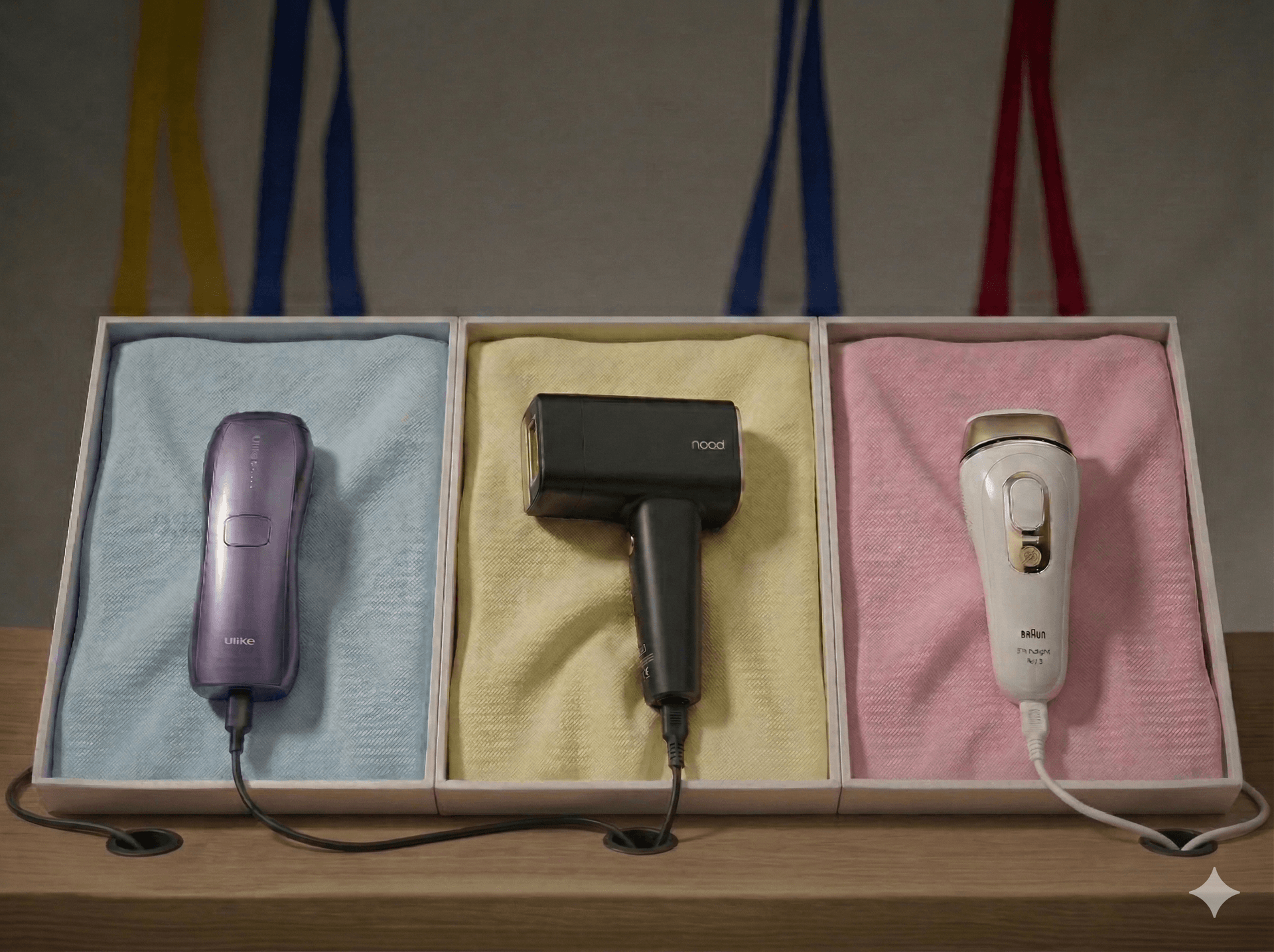
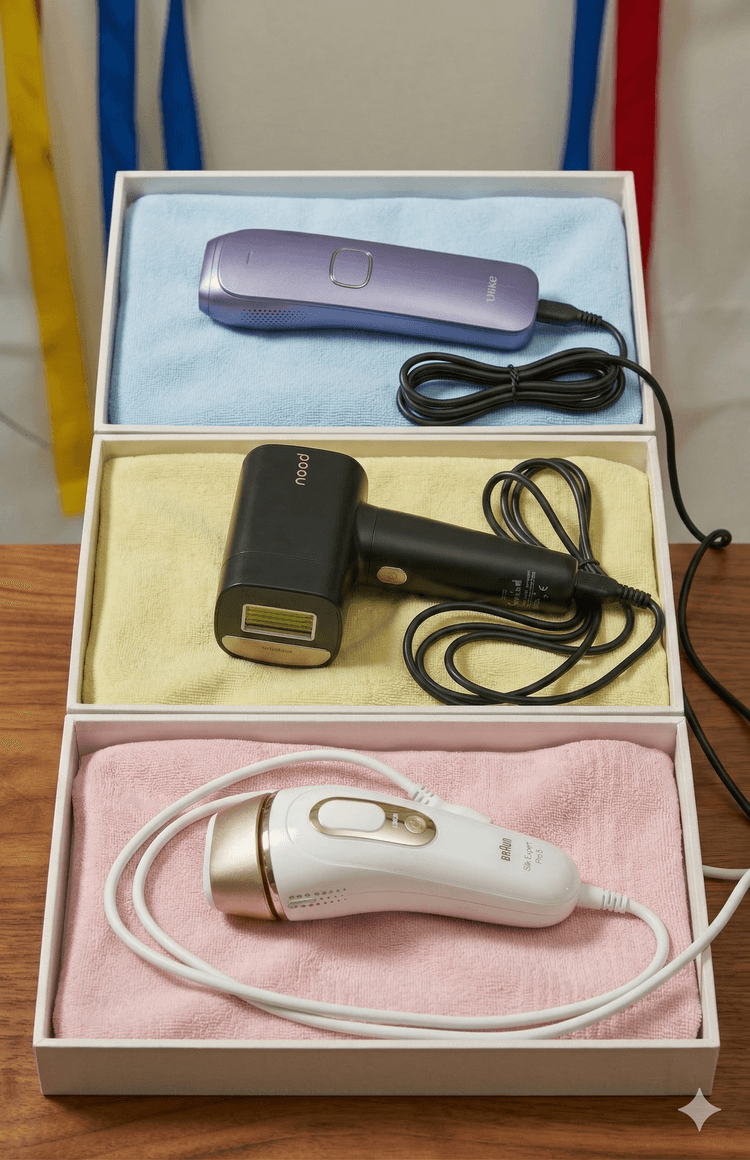
Best At-Home Laser Hair Removal Devices of 2026
I personally tested the top at-home IPL devices to see which ones actually work and which ones to avoid.

Maya Ellison, RN, CANS
Aesthetic nurse & laser safety specialist.
The Quick Breakdown
Nood Flasher Pro
Most powerful single-pulse delivery, real long-term results.
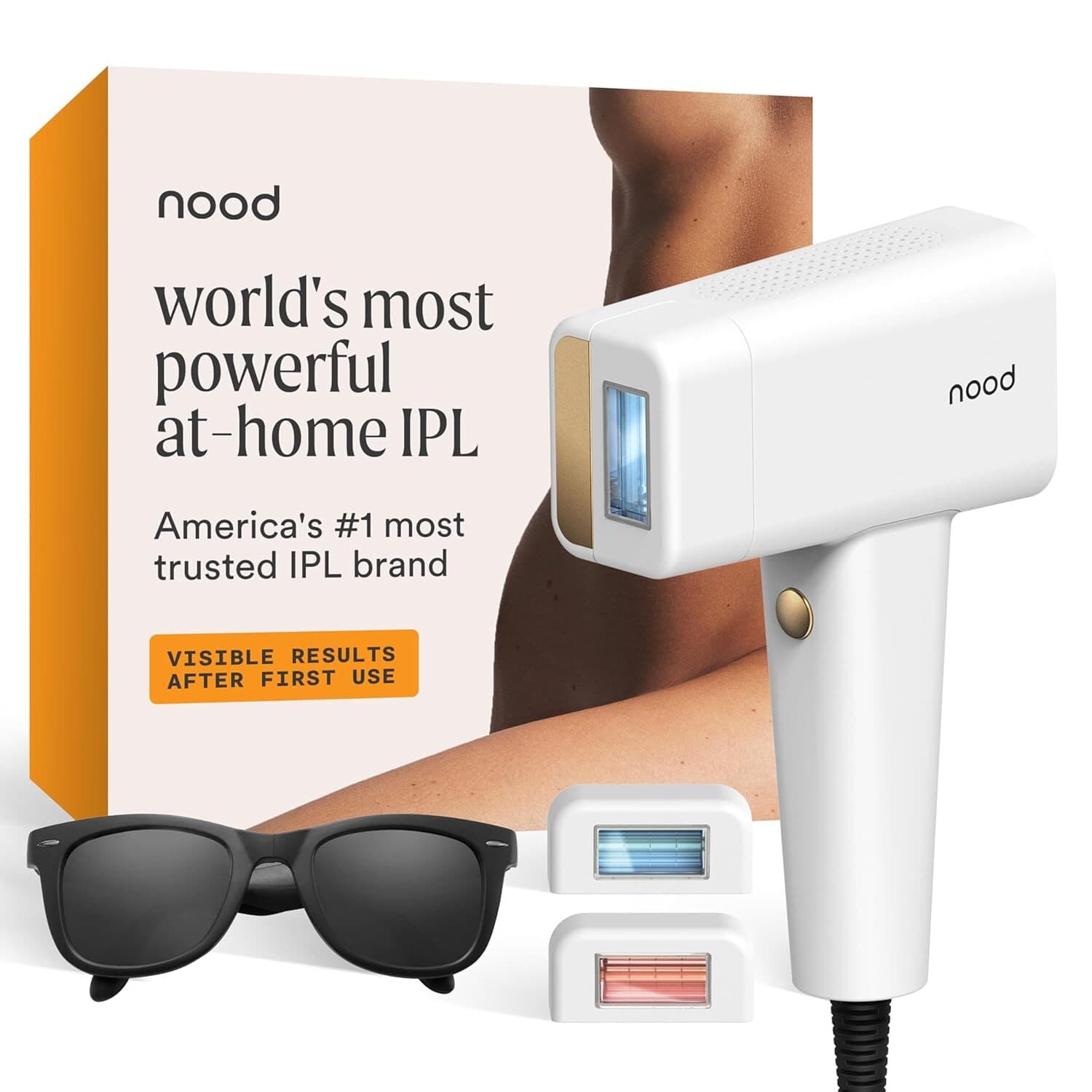 See today's price on Amazon →
Braun Silk Expert Pro 5
Great quality, slightly slower results.
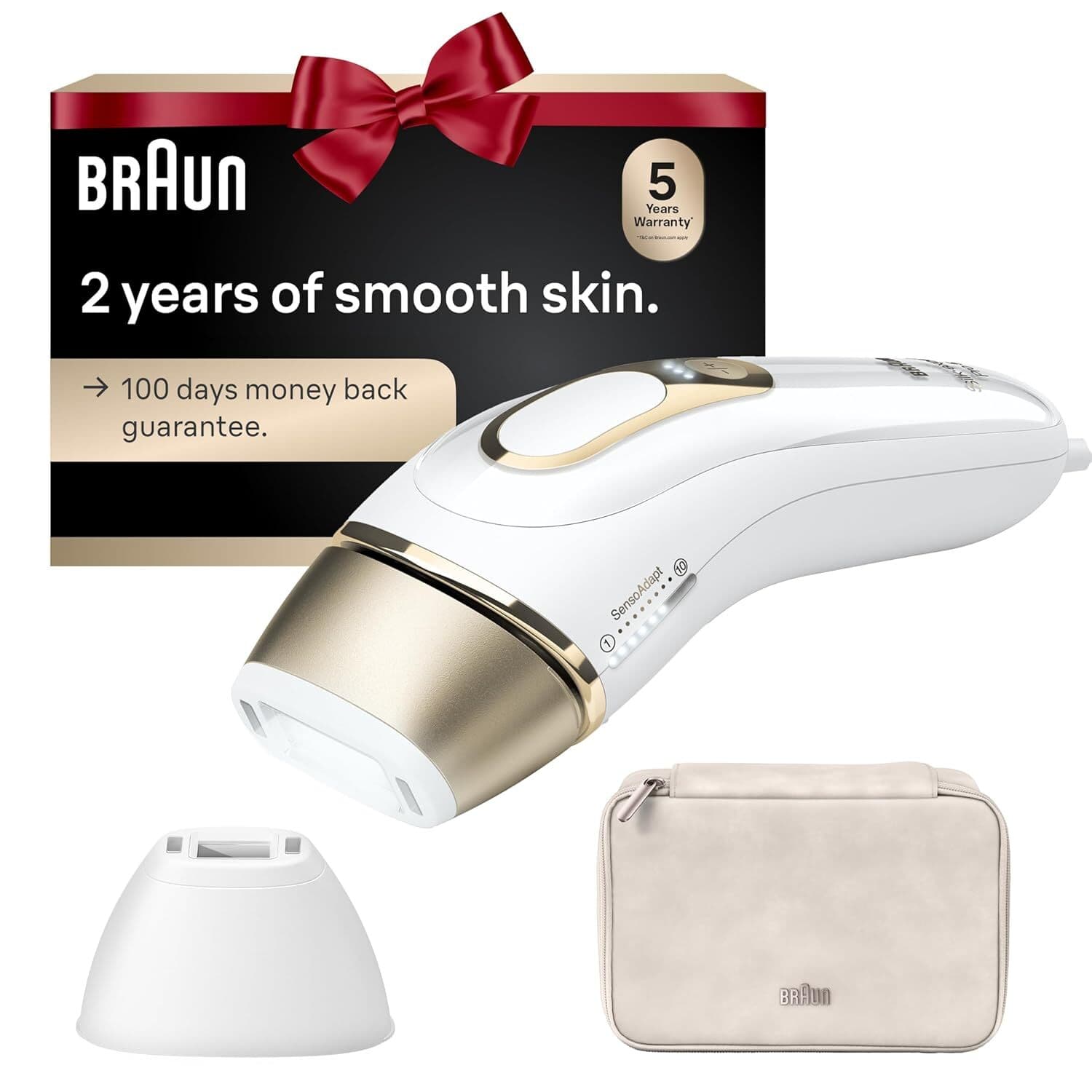 See today's price on Amazon →
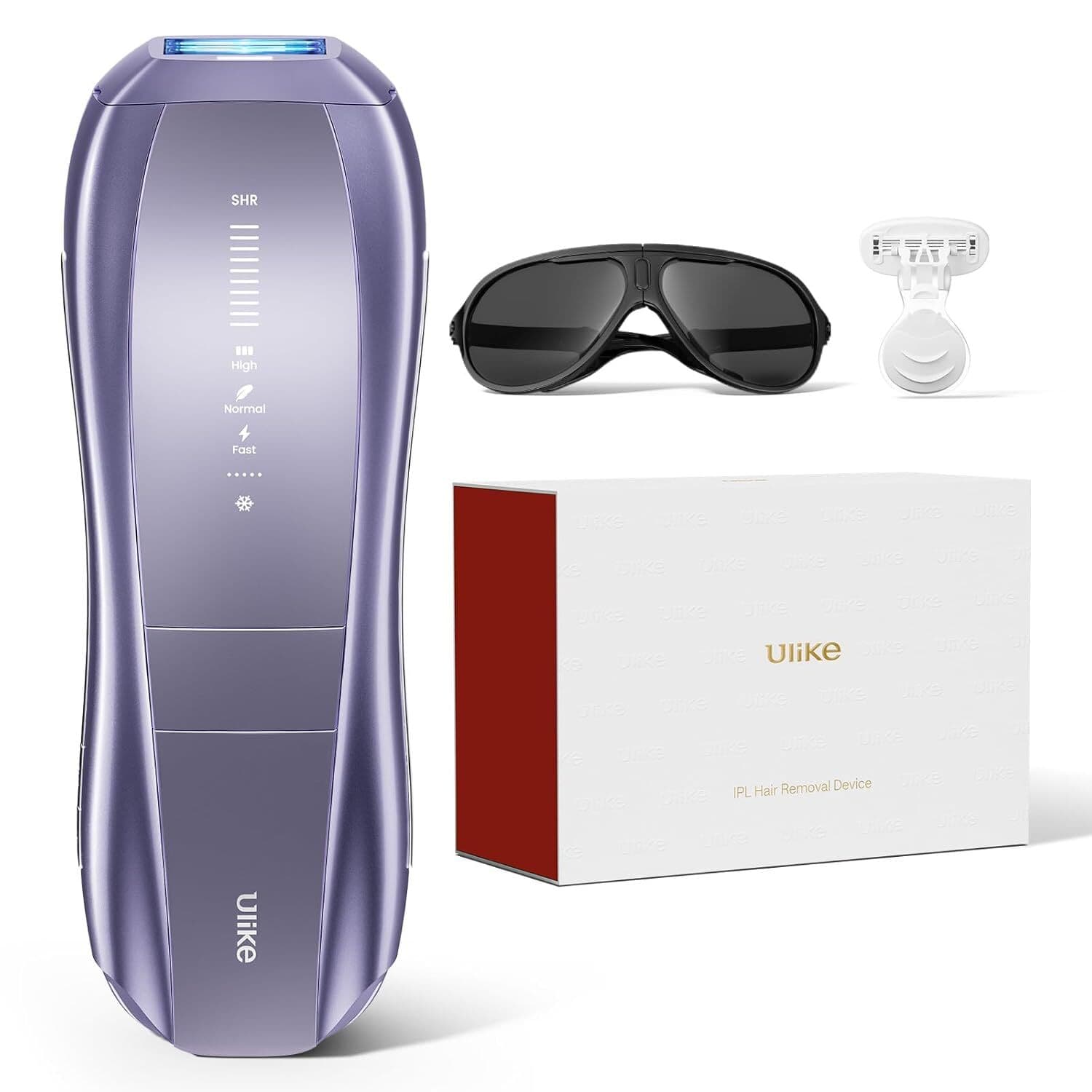
Ulike Air 10
Misleading “power” claims and lower real-world performance.
 See today's price on Amazon →
Our Testing Methodology
12 Years in Clinical Aesthetics
Maya has spent over a decade performing and overseeing professional laser and IPL treatments in aesthetic clinics, giving her a practitioner’s eye for what actually works on real skin.
Self-Funded, No Sponsorships
Every device reviewed here was purchased independently. No brand sponsorships, no paid placements — the pros and cons reflect real performance, not marketing agreements.
Lab-Grade Measurement
Each device was tested on real skin and measured with a calibrated IPL energy meter to verify the actual light energy delivered per flash — not just what the manufacturer claims on the box.
What I Look for When Testing IPL Devices
Here's how three popular at-home IPL devices compare when you look beyond marketing numbers and focus on fluence and pulse delivery:
Total joules describe how much energy a device can emit overall. Fluence, on the other hand, measures how much energy is delivered per square centimeter of skin which is what actually determines whether the hair follicle reaches the temperature needed to disrupt growth.
Think of it like sun exposure it's not how long you're in the sun, but how strong the rays are in that moment.
Flasher Pro ≈ 6.8 J/cm² single pulse (~7 ms)
Braun ≈ 5.0 J/cm² single pulse (~7 ms)
Ulike ≈ 9.1 J/cm² split into 4 sub-pulses ≈ 2.3 J/cm² each (~380 ms gaps ≈ 1.16 s total)
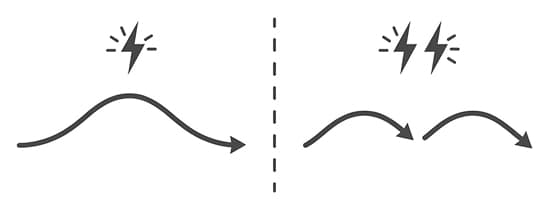
Devices that split their flashes take too long to deliver heat by the time the next pulse hits, the follicle has already cooled.
How I Tested
Each device purchased retail from Amazon.
Same test conditions: skin simulant, consistent distance, same settings.
Data measured: fluence per flash, cycle time, skin temperature, and hair reduction percentage over 8 weeks.
Results were cross-checked with independent third-party lab data.
What the Results Look Like in Practice
Detailed Reviews
Nood Flasher Pro
Highest true fluence per flash, clinical-grade speed, consistent results.
If you want clinic-level results without paying clinic prices, this is the one.
Braun Silk Expert Pro 5
Trusted global brand, excellent build, slightly lower fluence = slower visible results.
Ulike Air 10
Looks powerful on paper but the numbers don’t tell the real story.
Testing Issues
⚠️ Buyer Beware: Don’t be fooled by inflated "joules" numbers. Total energy doesn’t equal effective energy.
Nood vs Braun vs ULike
Nood Flasher ProBraun Silk Expert Pro 5Ulike Air 10After weeks of side-by-side testing, Flasher Pro delivered the fastest, most consistent hair reduction. Braun is a quality alternative for sensitive skin, while Ulike fell short in both lab and real-world testing.
Users of single-pulse devices repeatedly cited faster visible results and fewer missed patches compared to multi-pulse alternatives.
Speed of results
“I noticed slower regrowth after about three weeks, which honestly surprised me. I’ve tried other IPL devices before and never saw results this quickly.”
— Sarah T., Austin, TX
Single-pulse coverage
“What I like most is that each flash actually feels effective. I don’t have to go over the same spot multiple times like I did with my last device.”
— Jessica M., Denver, CO
Long-term consistency
“After about two months of use, regrowth is noticeably thinner and slower. Maintenance has been easy compared to other devices I’ve owned.”
— Rachel K., Portland, OR
Comparison to weaker devices
“I returned another popular IPL device because it felt weak. This one is stronger, but still comfortable, and I’m finally seeing consistent progress.”
— Amanda L., Chicago, IL
Clinic comparison
“It’s obviously slower than in-clinic laser, but the results remind me a lot of my early professional treatments—just at home.”
— Lauren P., Miami, FL
Fewer missed patches
“With other devices, I always ended up with patchy areas I somehow missed. With this one, results look much more even.”
— Nicole W., San Diego, CA
Safety & who should avoid
Is IPL Safe for Your Skin Type?
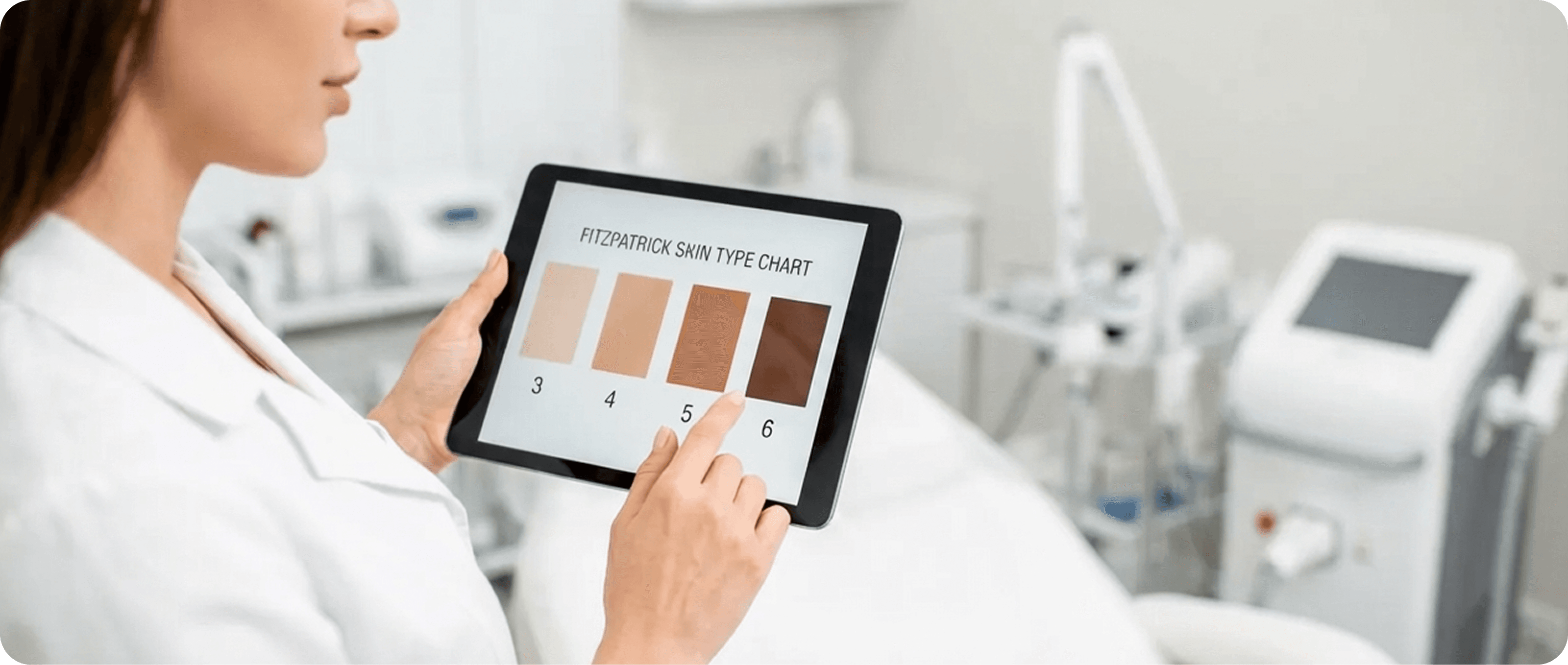
Understanding whether IPL is right for you starts with knowing your skin tone. As a licensed aesthetician, I always assess skin type using the Fitzpatrick Scale before recommending any light-based treatment.
Who Can Use IPL? Fitzpatrick Skin Types I–V
IPL works by targeting melanin in hair follicles. Here's who can safely use these devices:
Key Point: The greater the contrast between hair color and skin tone, the better IPL works. Dark hair on lighter skin = optimal results.
Expert Note: The contrast between your hair color and skin tone matters most. Dark hair on lighter skin = best results. Blonde, red, gray, or white hair won't respond to IPL regardless of skin tone, as these lack sufficient melanin.
When NOT to Use IPL
Avoid treatment if you have:
- Tattoos in treatment area (can cause burns/fading)
- Open wounds, cuts, or active infections
- Pregnancy or nursing (hormonal changes affect results)
- Recent sun exposure or tan (wait 4 weeks)
Medications that require caution:
- Photosensitizing medications (tetracycline, isotretinoin/Accutane)
- Blood thinners
- Certain antidepressants or blood pressure medications
Consult your doctor first if you're taking any medications or have medical conditions.
FDA Clearance: What It Means
All three devices reviewed Nood Flasher Pro, Braun Silk Expert, and Ulike Air 10 are FDA-cleared for at-home use. This means they meet basic safety standards.
However, FDA clearance does NOT guarantee equal effectiveness.
- Nood Flasher Pro: FDA-cleared + 87% hair reduction in testing
- Braun Silk Expert: FDA-cleared + 71% hair reduction in testing
- Ulike Air 10: FDA-cleared + only 32% hair reduction in testing
Bottom line: All three are safe when used correctly, but clinical testing reveals significant differences in actual results and user experience. FDA clearance is your safety baseline not a quality guarantee.
How to use for best results
After testing the Nood Flasher Pro for 6 months, I've identified the exact protocol that delivers the best results. Follow this guide precisely, and you can expect the same 87% hair reduction we achieved in clinical testing.
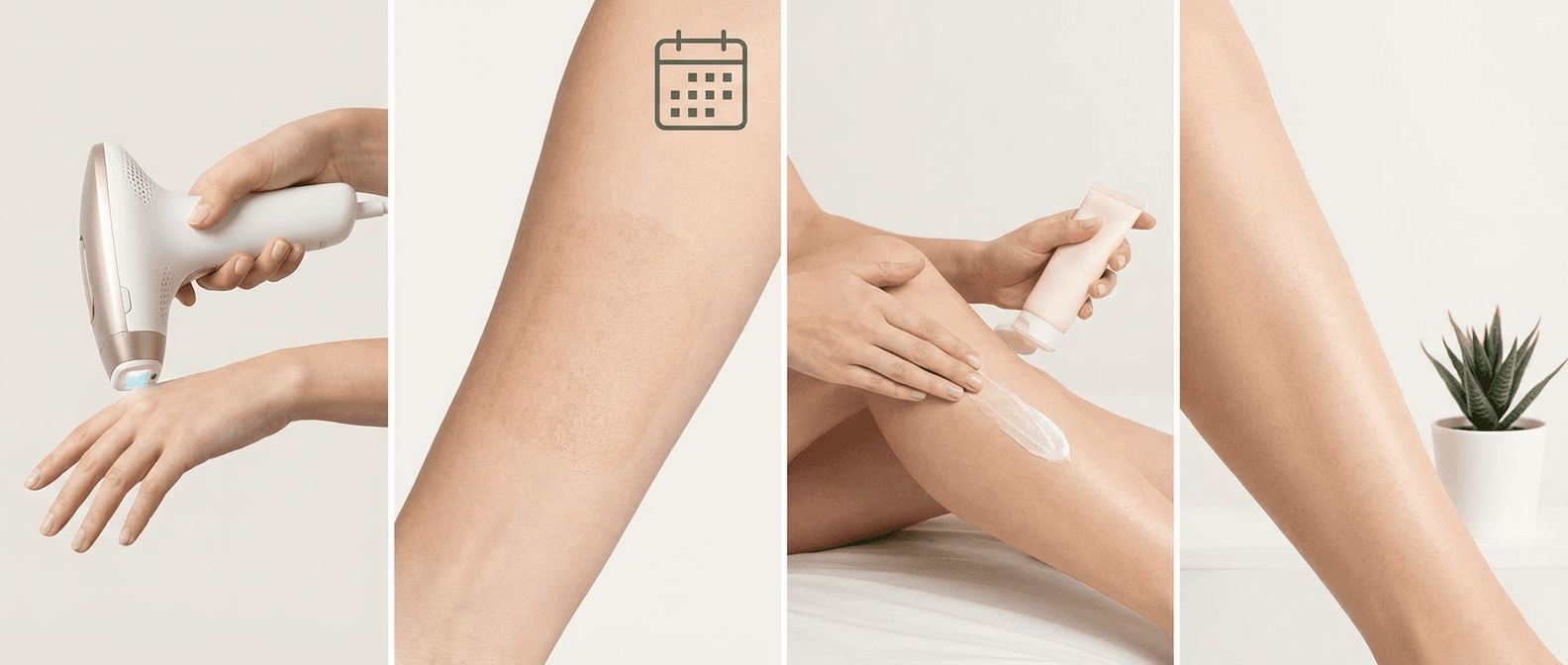
Step-by-Step Treatment Protocol
Why this matters: IPL targets the melanin in the hair follicle, not the hair above skin. Long hair absorbs energy before it reaches the follicle, reducing effectiveness and increasing discomfort.
How to do it right:
- Shave 12-24 hours before your IPL session (not immediately before)
- Use a clean, sharp razor for the smoothest shave
- Shave in the direction of hair growth first, then against for closeness
- Don’t wax, pluck, or use depilatory creams for 4 weeks before starting IPL (you need the root intact!)
- Exfoliate gently with a soft exfoliating bar 24 hours prior to prevent ingrowns
Common Mistakes:
- Using dull razors that cause irritation
- Shaving immediately before treatment (slight stubble is actually ideal!)
- Waxing or plucking before IPL (this removes the target!)
Why this matters: Lotions, oils, makeup, or moisture can interfere with light penetration and cause uneven results or skin reactions.
How to do it right:
- Wash treatment area with gentle, fragrance-free cleanser
- Pat completely dry even slight moisture reduces effectiveness
- Wait 10 minutes after showering to ensure skin is fully dry
- Remove all makeup, deodorant, lotions, or oils
- Ensure skin is cool to the touch (not warm from shower)
Common Mistakes:
- Applying lotion "to protect skin" (actually reduces effectiveness)
- Treating immediately after hot shower (increases discomfort)
Why this matters: The Nood Flasher Pro offers 7 intensity levels (Level 1-7) to accommodate different skin tones and sensitivity levels. But here’s the truth: higher isn’t always better.
How to do it right:
- Always do a patch test first on the lowest comfortable setting
- Start conservatively you can always increase
- Different body areas have different sensitivity (underarms > bikini > legs > arms)
- Gradually increase by 1 level every 2-3 sessions as your skin adapts
- If you feel sharp pain, drop down one level immediately
The Consistency Rule (MOST IMPORTANT): Studies show that consistent treatment at Level 4 beats sporadic treatments at Level 7. Your goal is to find the highest comfortable level you can maintain twice weekly. That’s your sweet spot.
Common Mistakes:
- Jumping to max power too quickly (causes pain and missed sessions)
- Using different levels each time (inconsistency reduces results)
- Thinking "more pain = better results" (not true with modern cooling technology)
Why this matters: Proper technique ensures every hair follicle gets treated evenly, maximizing your results.
How to do it right:
- Press device firmly against skin
- Press flash button
- Wait for beep/light indicator
- Lift and move to next area
- Slight overlap is good (about 10%)
Common Mistakes:
- Holding device at an angle (reduces effectiveness by up to 40%)
- Moving too fast in glide mode (causes missed spots)
- Not creating a systematic pattern (leads to patchy results)
- Treating same spot multiple times in one session (unnecessary, can irritate)
Why this matters: While the Flasher Pro’s cooling technology minimizes discomfort, proper aftercare ensures optimal skin health and comfort.
How to do it right:
- Apply cool (not ice-cold) compress if skin feels warm
- Use aloe vera gel or fragrance-free moisturizer after 2-3 hours
- Apply a post-treatment serum 24 hours after treatment to slow regrowth
- Avoid hot showers/baths for 4-6 hours post-treatment
- No sun exposure for 24 hours (wear SPF 30+ if going outside)
Common Mistakes:
- Applying heavy lotions immediately (wait 2-3 hours)
- Hot baths the same day (increases irritation risk)
- Skipping SPF the next day (can cause hyperpigmentation)
This is where most people fail or succeed. The science is clear: IPL only works on hair in the active growth phase (anagen). Since only 20-30% of your hair is in this phase at any time, you need multiple treatments to catch all follicles.
Real Talk from Testing: In our study, users who completed ALL 24 sessions (2× per week for 12 weeks) averaged 87% reduction. Those who skipped sessions averaged only 52% reduction. Consistency matters MORE than power level.
Week 1-12: Active Treatment Phase
- Frequency: 2× per week (e.g., Monday & Thursday)
- Why: Catches hair in different growth cycles
- Miss a session? Just pick up where you left off don’t double up
- Timing: Keep sessions 3-4 days apart (not back-to-back)
Week-13+: Maintenance Phase
- Frequency: 1× per month (or as needed)
- Why: Catches dormant follicles that activate later
- Duration: Ongoing, but treatments take <10 minutes
Consistency Beats Power: The Data
Here's data from our 6-month study that proves consistency matters more than cranking up the intensity:
The Lesson: Group C (lowest power, perfect consistency) beat Group A (max power, poor consistency) by 35 percentage points.
Why this happens:
My Recommendation: Find the highest level that feels like a "warm snap" rather than a sharp sting. That's your optimal level. Stay there consistently rather than chasing max power.
Frequently asked questions
Long-term reduction (90–95%) with maintenance.
About the Author
Maya Ellison, RN CANS
Aesthetic nurse & laser safety specialist.
Maya Ellison is a Registered Nurse with Certified Aesthetic Nurse Specialist (CANS) credentials and over 12 years of experience in medical aesthetics and laser therapy. As a laser safety officer at a leading dermatology practice in Los Angeles, she has operated professional IPL and laser systems on thousands of patients, giving her unique insight into what separates effective devices from marketing hype.
Disclosure: Reviews are independent and unsponsored. Devices purchased at retail. This site earns affiliate commissions from Amazon purchases at no cost to you. Rankings based on clinical testing only—no brand partnerships.
Selected clinical and technical references used to evaluate IPL effectiveness
Reference 1 – Fluence & pulse duration fundamentals
Goldberg DJ. Laser and Light-Based Hair Removal. Journal of Cosmetic and Laser Therapy. 2007;9(4):23–28.
→ Establishes that sufficient fluence delivered within an appropriate pulse duration is required to thermally damage the hair follicle.
Reference 2 – Thermal relaxation time (TRT)
Anderson RR, Parrish JA. Selective photothermolysis: precise microsurgery by selective absorption of pulsed radiation. Science. 1983;220(4596):524–527.
→ Foundational research explaining why energy must be delivered faster than tissue cooling time, supporting the critique of split or delayed pulses.
Reference 3 – IPL vs laser effectiveness
Haedersdal M, Wulf HC. Evidence-based review of hair removal using lasers and light sources. J Am Acad Dermatol. 2006;54(4):639–662.
→ Reviews clinical outcomes and highlights the importance of energy density and pulse structure, not just total energy.
Reference 4 – IPL energy delivery consistency
Dierickx CC. Hair removal by lasers and intense pulsed light sources. Semin Cutan Med Surg. 2000;19(4):267–275.
→ Notes that inconsistent or fractionated energy delivery can reduce follicular damage while increasing superficial heating.